

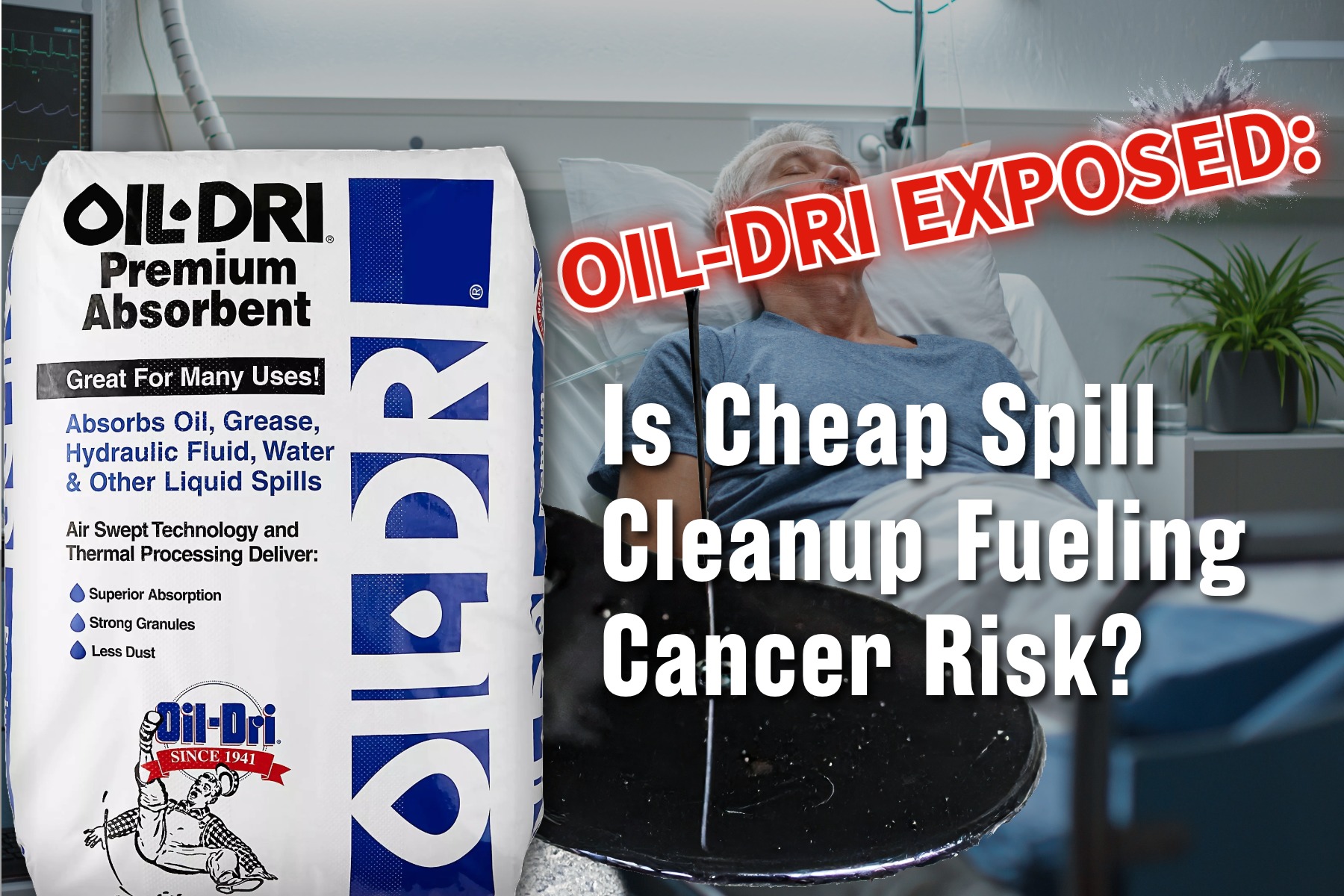

“Oil-Dri Exposed: Is Cheap Spill Cleanup Fueling Cancer Risk?”
This may seem out of the norm, but my Community posts are not just for Arkansas and California. It’s for all of us. If it happens here, it can happen there. This article reflects the entire United States of American and its citizens.

The Alarming Statistics: How Many Lives Are at Stake?
In 2025, an estimated 2.3 million U.S. workers remain exposed to respirable crystalline silica, the hazardous dust embedded in products like Oil-Dri, with models projecting at least 7,300 new cases of silicosis annually—a progressive lung disease that scars the lungs and impairs breathing.
Chronic obstructive pulmonary disease (COPD), including emphysema and bronchitis, affects about 16 million Americans overall, with up to 15% of cases linked to occupational exposures like silica dust; Iamong never-smokers, 2.4 million working adults had COPD between 2013 and 2017. Lung cancer claims an additional toll: exposure to silica at levels near OSHA’s former permissible limits could result in 60 excess cases per 1,000 exposed workers over a lifetime, contributing to the 238,000 new diagnoses and 127,000 deaths from lung cancer in the U.S. each year, with crystalline silica classified as a known human carcinogen by the International Agency for Research on Cancer.

COPD: Could Your Next Breath Be Harder Than the Last?
COPD, marked by obstructed airflow and progressive breathlessness, affects an estimated 2.4 million non-smoking U.S. workers, with silica contributing to emphysema and bronchitis through chronic inflammation.
Meanwhile, musculoskeletal disorders, often exacerbated by the physical demands of handling heavy, saturated absorbents, accounted for 134,550 back injuries in 2016 alone, representing 38.5% of all work-related musculoskeletal cases. These numbers aren’t abstract—they reflect the hidden costs of everyday tools like Oil-Dri, a clay-based absorbent once ubiquitous in American workplaces.
From Youthful Ambition to Lingering Regret: What If Your First Job Haunts You?
Imagine starting your career in your early 20s back in 2005, brimming with ambition as you clock into an auto repair shop or manufacturing plant. Spills of oil, grease, and chemicals are routine, and Oil-Dri—the granular clay absorbent hailed for its quick cleanup—seems like a simple fix.
The Insidious Toll: What Diseases Lurk in the Dust?
The diseases tied to prolonged silica exposure are insidious and often irreversible.
You sprinkle it liberally, sweep it up without a second thought, inhaling the faint dust that lingers in the air. No mask, no warnings beyond a vague label. Fast-forward to today, in your 40s, and the persistent cough, labored breathing, and unexplained fatigue have morphed into doctor’s visits confirming lung scarring or early COPD. What felt like harmless dust two decades ago now shadows your daily life, a stark reminder of how everyday workplace tools can exact a long-term toll.
A Costly Misjudgment: Did Cheap Absorbents Betray Your Trust?

Or picture yourself as the shop owner in 2005, trusting the industry’s marketing pitches for spill cleanup solutions. You eyed other options, but why shell out more when Oil-Dri was just $12.99 a bag, made from the same clay as some absorbents, and marketed as safe for industrial use? After all, it’s not used as kitty litter, but its clay base seemed harmless—surely, they all absorb spills the same way, right? You couldn’t have been more wrong.
Silicosis: Is Invisible Dust Scarring Your Lungs Forever?
Silicosis, caused by inhaling fine silica particles that inflame and scar lung tissue, leads to symptoms like chronic cough, shortness of breath, and fatigue.
Incident cases rose 64.6% from 84,821 in 1990 to 138,965 in 2019, with U.S. prevalence mirroring this trend in high-risk sectors.
Unmasking the Risks: Why Was Oil-Dri’s Danger Overlooked?
The hazards of Oil-Dri stem from its core ingredient: clay containing respirable crystalline silica, often at levels below 1% but potent enough to become airborne during handling.
Material Safety Data Sheets (MSDS) dating back to 2002 warn of silicosis from prolonged inhalation, with symptoms including shortness of breath and cough; the product is also flagged under California’s Proposition 65 as a carcinogen. Even trace amounts can exceed OSHA’s permissible exposure limit of 50 micrograms per cubic meter over an 8-hour shift, especially in poorly ventilated spaces where sweeping generates dust clouds. Beyond lungs, the physical act of managing heavy bags—up to 50 pounds—and stooping to clean spills contributes to back strain, amplifying risks in manual labor environments.

Back Problems: Is Bending Over Spills Breaking Your Body?
Back problems and other musculoskeletal issues add to the burden, with trunk injuries, often from repetitive bending and heavy lifting during spill cleanup.
Widespread Reliance: Which Industries Ignored the Warning Signs?
Two decades ago, Oil-Dri was a staple across industries prone to fluid spills. In automotive repair, an estimated 25,027 workers faced potential silica exposure while using it for oil and coolant cleanup. Manufacturing plants relied on it for industrial leaks, with sectors like brick and stone production citing high violation rates for silica overexposures. Oil and gas operations, including fracking, were used for hazardous fluid absorption, while agriculture and warehousing handled chemical spills.

Lung Cancer: When Does Routine Exposure Turn Deadly?
Lung cancer risk escalates with cumulative exposure, fueling part of the 127,000 annual U.S. deaths.
Company catalogs from 2005 promoted its use in garages, factories, and even consumer settings as a versatile sorbent for oils, coolants, and grease. Young workers entering these fields in their 20s or 30s often lacked full awareness. Consumers rarely read or understand Safety Data Sheets.

Connecting the Dots: Do the Numbers Reveal a Pattern of Harm?
Statistical correlations underscore the fallout. In automotive repair, silica exposure ties to elevated lung disease claims, with workers’ compensation data showing occupational illnesses like COPD and cancer prevalent among mechanics exposed to dust and fumes. Manufacturing leads in musculoskeletal injuries, with OSHA data reporting 1.57 trunk injuries per 1,000 workers from 1992-2018, often linked to repetitive cleanup tasks. Violations for crystalline silica are rampant: 149 inspections in stone manufacturing yielded 68 overexposures and penalties, while broader data shows 2 million workers at risk across general industry. Workers’ comp claims reflect this, with transportation and warehousing—key Oil-Dri users—ranking high for strains and slips, and lung disease filings rising in silica-exposed trades.

A Call to Reflection: How Long Will We Pay the Price?
This isn’t just data—it’s the lived reality for countless Americans who started their careers trusting tools like Oil-Dri. As we mark 20 years since its peak ubiquity, the question lingers: How many more will pay the price before workplaces prioritize prevention?
Your Future and Oil-Dri Today: Are You Still Trusting the Cheap Fix?
Picture yourself as the shop owner today, trusting the industry’s marketing pitches for spill cleanup solutions. You eyed other options, but why shell out more when Oil-Dri was just $12.99 a bag, made from the same clay as some absorbents, and marketed as safe for industrial use? After all, it’s the same as kitty litter, right? It’s clay base seems harmless—surely they all work the same, right? You couldn’t be more wrong.
This article draws on publicly available data and reflects broader occupational health trends. Consult medical professionals for personal health concerns and adhere to current safety standards.


You must be logged in to post a comment.